Understand the body. Organize your training.
Complete an assessment, print a clear report, build workouts and explore useful resources. Free for personal use or coaching.
Plan your training
Direct access · Free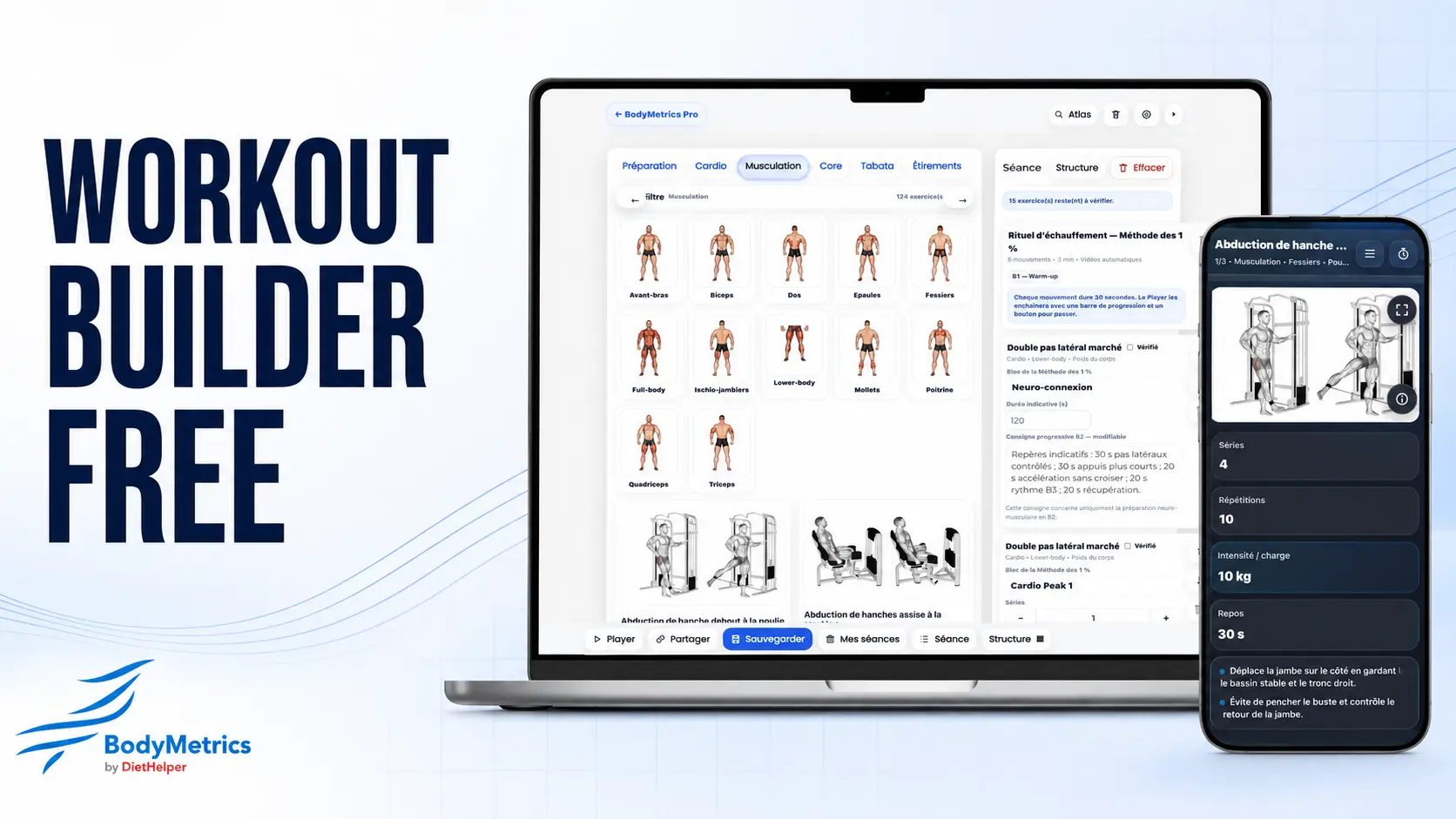
Workout Builder
Create a workout, then start it in the Player.
Personal use Build a workout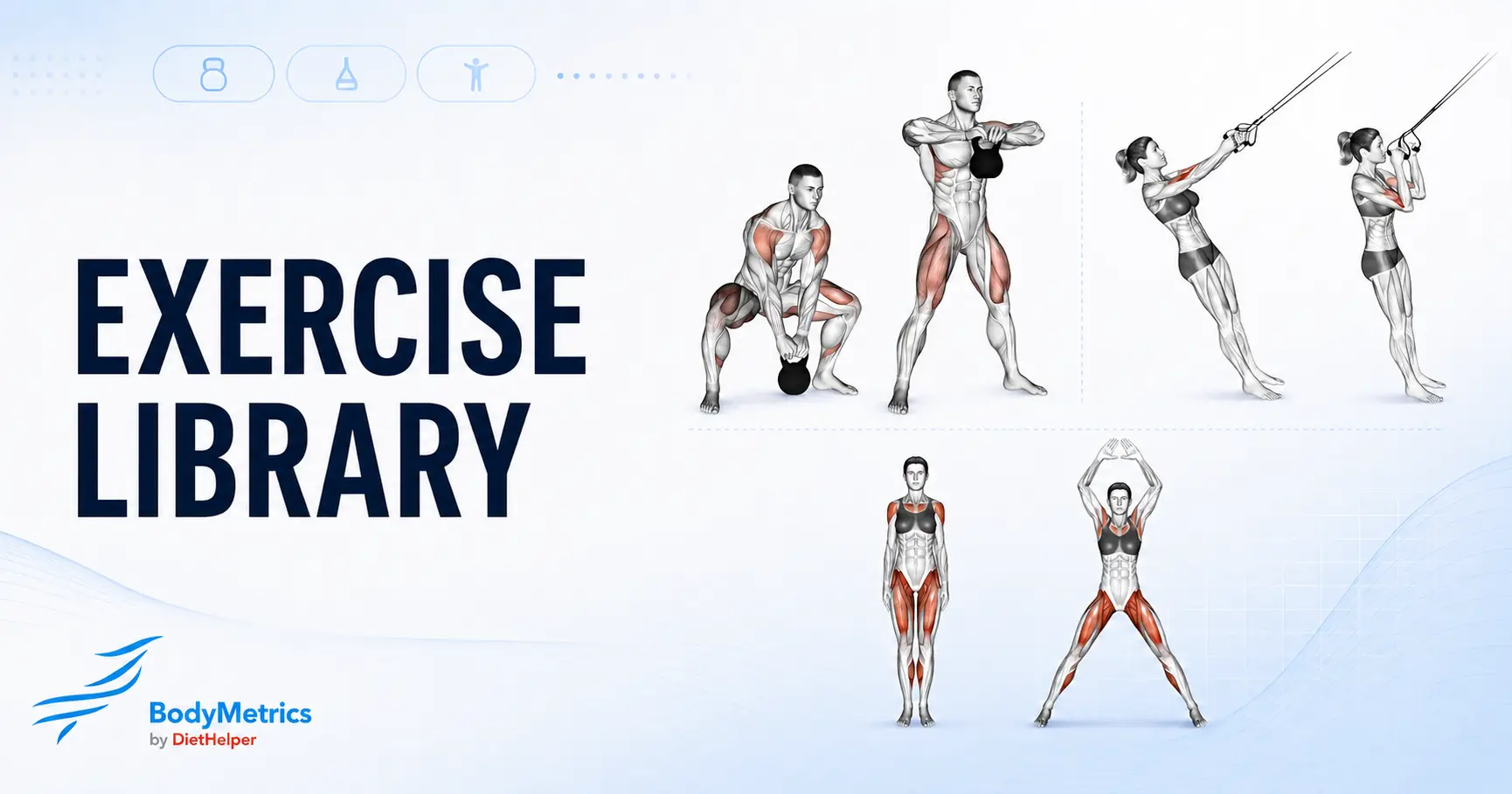
Exercise Library
Find an exercise and view its demonstration and technical guidance.
Search by muscle group, category and equipment Explore exercises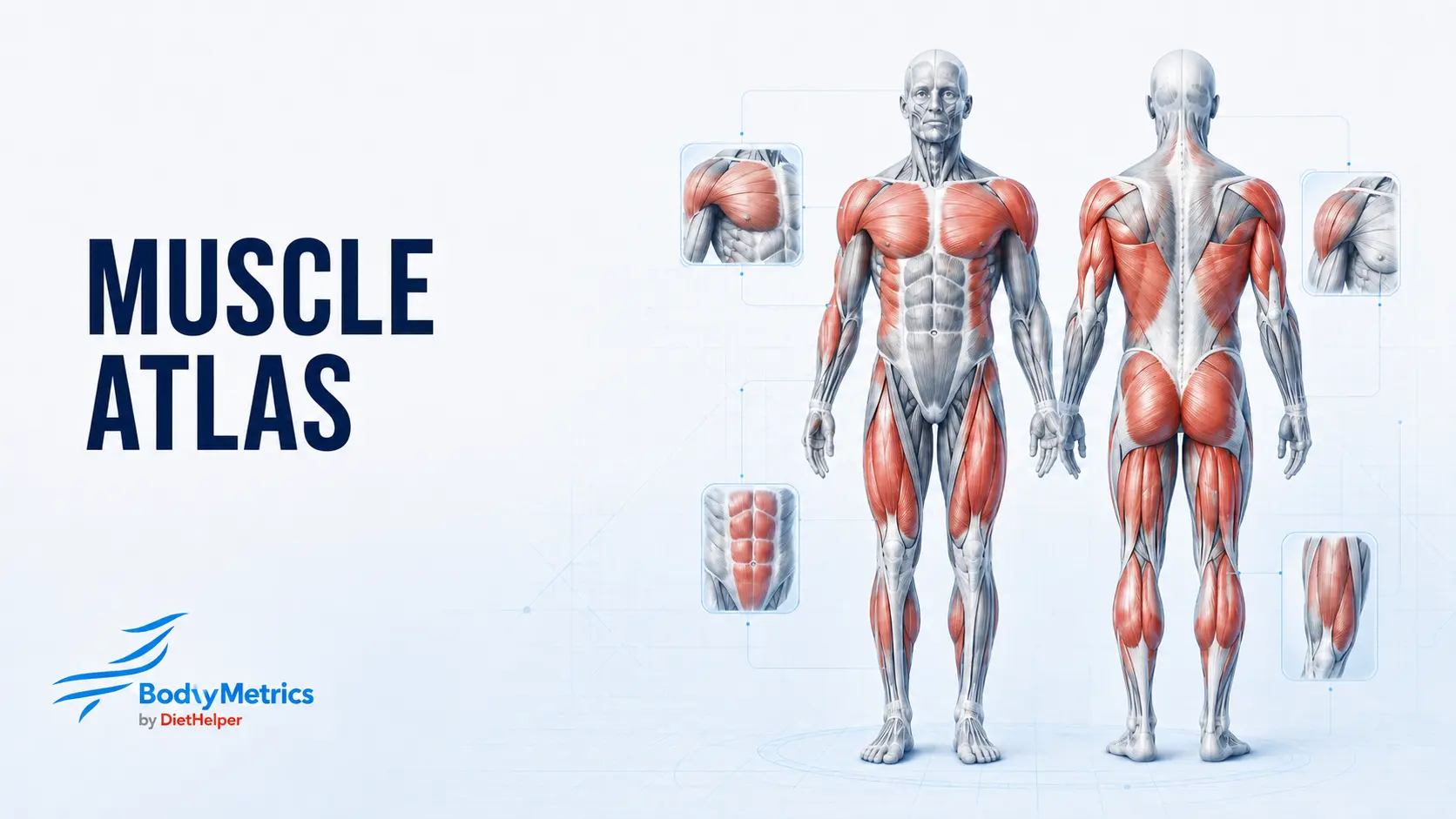
Muscle Atlas
Locate muscles, understand their role and explore the anatomy guides.
Anatomy and movement guides Open the Atlas
MacroScan
Search the full food database and calculate the nutrients in a portion.
Calculate a portionLoad, tempo and intervals
Structure your coaching
Create a daily meal plan, share workouts with clients and use AI to prepare nutrition coaching sessions.
No credit card · No automatic renewal
Created by Ludovic Peene, fitness coach since 2009 and author of Conseils de coachs, published by Vigot.
See the 4 stages of the coaching journey
BodyMetrics Pro brings the right tools into your workflow to screen, assess, plan and support each client’s progress. Start with what you need and explore the rest as you go.
- First contact Screen the client before coaching begins.
- Initial assessment Understand the client’s profile and establish a useful baseline.
- First workout Turn the assessment into practical decisions.
- Follow-up and progress Plan progression and ongoing nutrition support.
1% Method: training program in development · Nutrition: build daily meal plans with MacroScan Pro. DietHelper Offline also lets you add custom foods and manage client records.
Explore the tools one by one
Each tool addresses a practical need. Explore them at your own pace and start with the ones that are useful to you.
This preview introduces the tools. The 14-day free trial lets you use them directly.
Pro BodyMetrics Free or Pro: where should you start?
Catalog View the detailed tool catalog
BodyMetrics tools, clearly explained
Discover what each tool can help you understand, calculate or plan, from your first assessment to ongoing coaching.
Free Free tools to get started
Pro Pro tools to go further, step by step
Workout Programming, sharing and progression
 Assessment workspace
BodyMetrics Assessment
Body measurements, energy needs and daily rhythm. Every section is optional.
Prepare the report
First and last names are optional. The report can also remain anonymous.
The report includes available results, explanations and CircaTest recommendations once all 19 questions are complete. In the next dialog, choose a printer or save as PDF.
The name, profile, measurements, settings and CircaTest answers will be cleared.
Measurements & body frame
Enter only the measurements relevant to the assessment.
Weight and height for BMI; sex and height for body frame.
These two measurements are optional when checking BMI.
How to measure waist circumference
Stand upright and measure at navel level after a normal exhalation.
Use the same measurement point for future assessments.How to measure elbow breadth
With the elbow bent to approximately 45°, use a sliding caliper to measure the distance between the two bony prominences. Enter the breadth in millimeters.
Ideally, repeat the measurement 2 to 3 times and use the average.Enter weight and height in the profile.
Enter elbow breadth to estimate body frame.
Understanding body frame
The thresholds used appear after sex, height and elbow breadth have been entered.
This estimate describes body frame; it does not determine athletic ability.BMI does not distinguish fat mass from muscle mass.
BodyFat Blueprint
Choose a protocol, then enter the skinfold measurements.
Body weight is used to calculate fat and lean mass in kg. Body-fat percentage can be estimated without it.
Measurement guidance
Enter body weight to convert the body-fat estimate into kilograms.
Understanding fat and lean mass
Fat mass is calculated from body weight and the estimated body-fat percentage. Lean mass is the remaining weight: it includes more than just muscle.
Estimate based on the selected protocol. Use the same protocol when comparing measurements.
EnergyScope Tracker
For ages 19–78. Complete the profile, then select an activity level and a goal.
No skinfold or waist measurement is required.
Which factors are used?
Sedentary: × 1.35 · Active: × 1.55 · Vigorous: × 1.75.
These three factors are practical approximations of daily activity. They are not part of the Mifflin–St Jeor equation.Mifflin–St Jeor estimates resting energy expenditure. Daily expenditure and target intake remain estimates to adjust based on actual progress.
Method and limitations
The original study included adults aged 19 to 78. EnergyScope uses this age range; it does not guarantee accuracy for every individual.
Maintenance: estimated expenditure. Deficit: −15%. Surplus: +10%. These are starting estimates to adjust to individual needs.
No automatic target is provided at 1,200 kcal/day or below, and no deficit is proposed for a BMI below 18.5. These are limits of the tool, not universal nutritional safety thresholds.
Reference: Mifflin et al., 1990, A new predictive equation for resting energy expenditure in healthy individuals. PMID: 2305711.
CircaTest · 19 questions
19 questions to explore the person’s natural daily rhythm.
No body measurements are needed. The questionnaire is optional.
Answer for yourself or the person being assessed. Imagine a schedule with no external commitments and focus on natural preferences.
The result remains available when switching between sections.
Answers are kept while other sections are being viewed.
How to answer
Choose the answer that best reflects natural preferences. Select “Confirm and continue” to move on, or “Previous” to review an earlier answer.
This adapted 19-question assessment suggests a daily rhythm tendency to consider alongside everyday life. It is not a standardized version of the Morningness–Eveningness Questionnaire (MEQ).Clear the CircaTest answers? Body measurements will be kept.
The result will appear after all 19 questions.
Answers to this questionnaire do not change body or energy calculations.
Daily timing suggestions
Use these suggestions as a starting point. Adjust them to suit daily commitments and how the person feels.